As for many patients, none of the treatment options for your Chronic Low Back Pain (CLBP) have brought you lasting relief. ReActiv8® is a different type of restorative therapy that addresses the underlying multifidus muscle dysfunction that can lead to mechanical CLBP. If you suffer from mechanical CLBP, ReActiv8 is designed to provide you with meaningful, long-term relief.
No one should live their lives in constant pain. If you have mechanical CLBP, it’s time to treat the cause of your pain, not only the symptoms. ReActiv8 Restorative Neurostimulation therapy activates the stabilizing muscles of your low back, focusing on the cause of your pain.
For many patients, ReActiv8 goes straight to the source of mechanical CLBP: your multifidus muscle, the primary stabilizer of your lumbar spine. If you suffer from mechanical CLBP, you may be all too familiar with the cycle of pain, muscle deterioration, and movement difficulty. ReActiv8’s restorative therapy can disrupt this cycle of pain and muscle degeneration by painlessly stimulating the nerves of your multifidus muscle and causing beneficial contractions. The ReAtiv8-B clinical study shows that this can significantly reduce mechanical CLBP.
Conditions for participating in the treatment.
Talk to your doctor to see if ReActiv8 is right for you.
ReActiv8 addresses the underlying multifidus muscle dysfunction that can lead to mechanical Chronic Low Back Pain (CLBP) by activating the nerves and muscle that control stability of the low back.
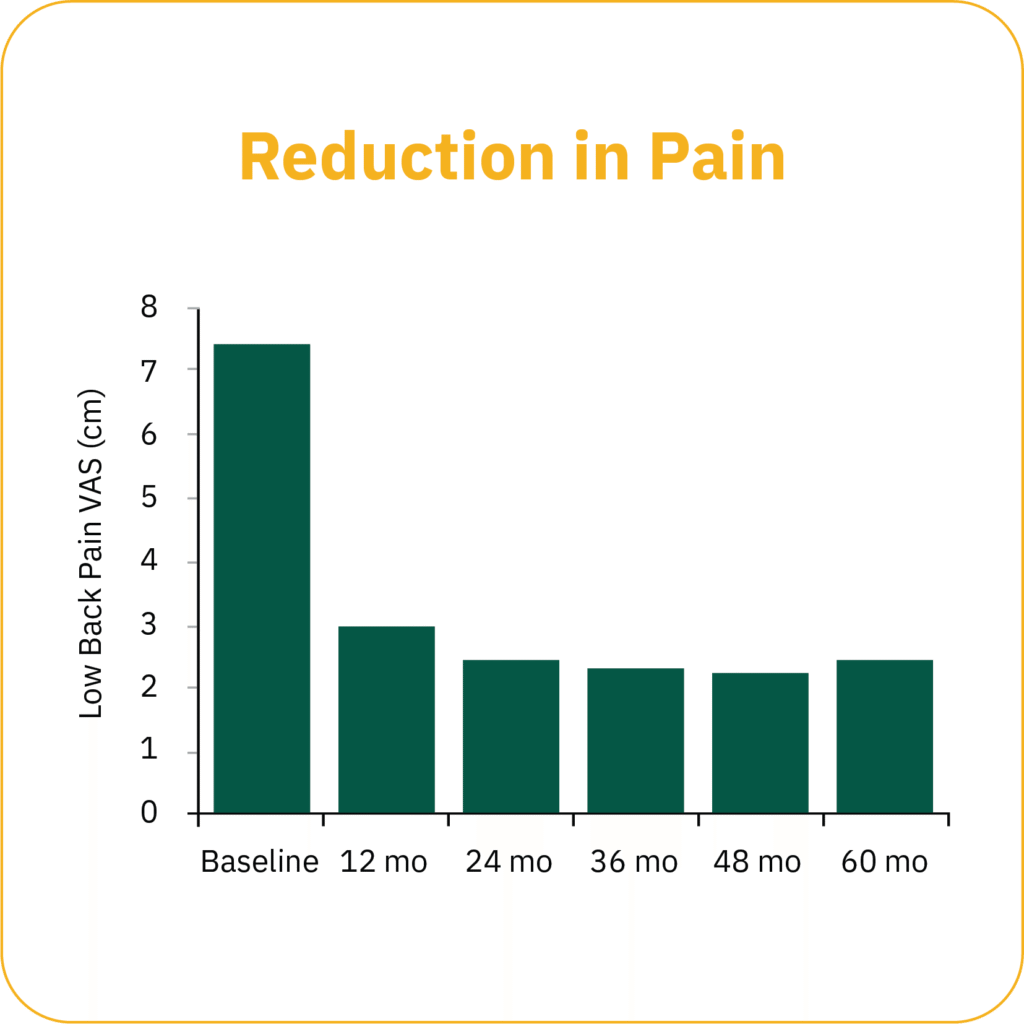
On average, people with mechanical CLBP who were treated with ReActiv8 had substantial improvements in pain, disability and quality of life after one year. See the long-term results in the PAIN Journal.
To assist in securing coverage from your health insurance provider, we offer the ReActiv8 Support and Verification Program (R.S.V.P.) by partnering with experts specialized in working with health insurance companies. To learn more about enrollment, talk to your doctor.
What is multifidus dysfunction, neuromuscular control, and ReActiv8?
Chronic low back pain often happens because the main stabilizing muscle in your back, called the multifidus, isn’t working properly (impaired muscle control and neural inhibition). This muscle control issue can lead to poor spinal support, causing pain. By improving the control of this muscle, you can stabilize your spine, which helps reduce pain and improve function. The ReActiv8® neurostimulation system is a treatment designed to help restore control of the multifidus muscle, addressing the root cause of the pain.
The multifidus muscle is the key stabilizing muscle in the lower back. Even a single injury to the back can cause impaired muscle control of the multifidus. This lack of muscle control can decrease the spine’s functional stability, leaving the spine susceptible to further injury and overloading. Restoring the neuromuscular control of the multifidus muscle can stabilize the spine, thereby increasing function and decreasing pain.
Multifidus dysfunction occurs when the multifidus muscles, which are small but crucial muscles along the spine, become weakened or inhibited. When these muscles don’t function properly, it can lead to instability and discomfort in the lower back. Some of the symptoms include pain that worsens with simple movements, difficulty lifting moderately heavy items, weakness or stiffness in the lower back, and limited range of motion.
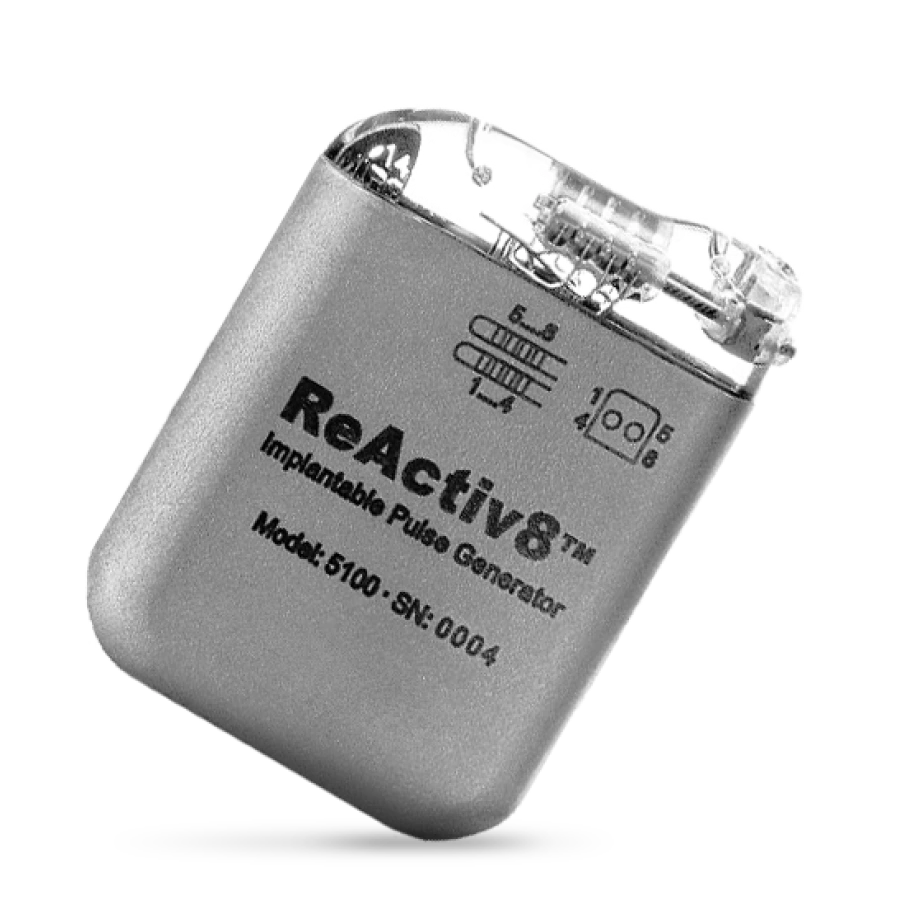
ReActiv8 is designed to address the underlying cause of mechanical low back pain by helping patients restore the multifidus muscle. The device is implanted underneath the skin during a minimally-invasive outpatient procedure. A generator is connected to two electrical leads, which are positioned to stimulate the nerves that control your multifidus muscle. You control the twice-daily therapy sessions, which some patients compare to a deep tissue massage.
ReActiv8 works by stimulating the nerves that control the multifidus muscle, helping the body regain control of this muscle. This improves how the muscle functions and reduces your pain and disability caused by mechanical muscle issues in the back.
ReActiv8 therapy is simple: using a remote control, you activate a 30-minute therapy session twice a day, which allows the system to contract and relax the multifidus muscle by stimulating the nerve that controls the muscle. The therapy creates a comfortable sensation that you can perform while resting in bed or on the couch.
Once you obtain your goals of improved function and reduced pain and disability, you can tailor the therapy usage to fit your needs. Some patients still use the therapy twice a day, while others use it as needed. A few even find that they can remove the system in a few years because they no longer require the therapy to keep them functional and pain free. However, most patients keep the system implanted, so it can be used in the future if necessary.
ReActiv8 is for patients who have mechanical chronic low back pain due to multifidus dysfunction, but have not found relief through medical management or physical therapy. Candidates should not have had (nor be in need of) instrumented spine surgery. Your doctor can help determine if ReActiv8 is right for you.
Yes, ReActiv8 has been shown to provide significant and clinically meaningful benefits in disability, healthrelated quality of life, and pain in well-selected patients, regardless of age.
ReActiv8 is for mechanical chronic low back pain and is not indicated for predominantly neuropathic pain (pain as a result of injury to the nerves) such as radiculopathy or complex regional pain syndrome.
You should consult with your physician about whether any prior lower back procedures or surgeries rule out ReActiv8 as an option for your specific situation. ReActiv8 is not approved for patients who have had a spinal fusion with instruments in the lower back (lumbar) region.
ReActiv8 is best suited for patients whose back pain is worse than their leg pain, assuming their leg pain does not extend below the knee. The mechanism that causes radiating leg pain is different from back pain, and ReActiv8 is not indicated to treat leg pain.
No, not necessarily. Maintaining a healthy lifestyle is always important, however it is understandable that CLBP may prevent you from doing the amount of activity that you would like. Many patients in the ReActiv8 clinical trials were not able to exercise or successfully do physical therapy due to back pain, but with ReActiv8 therapy, were able to gain enough function so they could start getting back in shape.
The underlying cause of the type of low back pain that ReActiv8 treats (mechanical pain due to muscle dysfunction) is different than what would be causing pain radiating down the leg. As a result, targeting the usual cause of pain in the low back would not help someone primarily experiencing pain radiating down their leg.
By enrolling in the RSVP program, Mainstay Medical can help increase your access to ReActiv8 through the submission of prior authorization and patient-based appeals facilitated by experts in this area. Some insurance providers cover ReActiv8.
Identified as a possible candidate & making the decision to get ReActiv8
Restorative therapies focus on improving function for patients by addressing the underlying cause. Palliative treatments focus on blocking or masking the symptoms of pain through treatments like Spinal Cord Stimulation, oral medication, injections (e.g., medial branch block, steroid injections), or burning nerves (RFA).
| ReActiv8 | SCS | |
|---|---|---|
| Target Patients | Helps people with back pain caused by muscle and mechanical issues. | Helps people with nerve-related back pain and pain that radiates down the legs. |
| How They Work | Designed to restore control of the
multifidus muscle leading to reduced pain and improved function. | Reduces the feeling of pain by blocking pain signals. |
| Treatment Schedule | Patient activated device stimulates
the muscle during twice daily 30-minute therapy sessions. | Provides continuous stimulation as needed or 24/7 to manage pain. |
There is no data to support the use of SCS devices for mechanical CLBP or multifidus dysfunction. Physicians should test for multifidus dysfunction prior to any interventional therapy. If the test is positive for multifidus dysfunction, then restorative neurostimulation is the best treatment option. If there is no multifidus dysfunction, then an alternative therapy may be best.
There is no long-term data to support the use of temporary PNS devices for mechanical CLBP or multifidus dysfunction. These devices are different from ReActiv8; they are not FDA approved or cleared for the same use.
No. The ReActiv8 system is surgically implanted into the patient and directly stimulates the nerves that control the muscles stabilizing your lower back. This creates a comfortable therapy with deep muscle contractions to help you regain control of your lower back muscles. On the other hand, TENS units try to block pain signals by sending electrical signals through your skin, which feels different and doesn’t fix the root cause of mechanical back pain.

You can have ReActiv8 if you have previously had an Radiofrequency Ablation (RFA). ReActiv8 is designed to activate your deep stabilizing muscles correctly (physiologically). RFA destroys the nerves that connect the brain to the parts of the spine and deep muscles with the purpose of keeping painful signals from reaching the brain, which some studies have shown to be associated with increased muscle wasting.
ReActiv8 is the only neurostimulation therapy that makes recovery possible by retraining your body to function naturally to support your spine. All other stimulators work by attempting to block or to cover up the pain signals.
You can have CT scans, fluoroscopy, ultrasound and X-Ray with the ReActiv8 device. Special considerations must be made for MRI scans. For more information on getting an MRI, please refer to the user manual.
ReActiv8 patients can receive an MRI under certain conditions. However, you must consult with your healthcare provider before an MR exam, and inform MRI site personnel that you have an MR Conditional medical device during MR screening before the MR exam. Carry your device identification card with you at all times. Since the ReActiv8 device must be turned “off” before the MRI, you will need to have an appointment with a ReActiv8 representative before your MRI appointment.
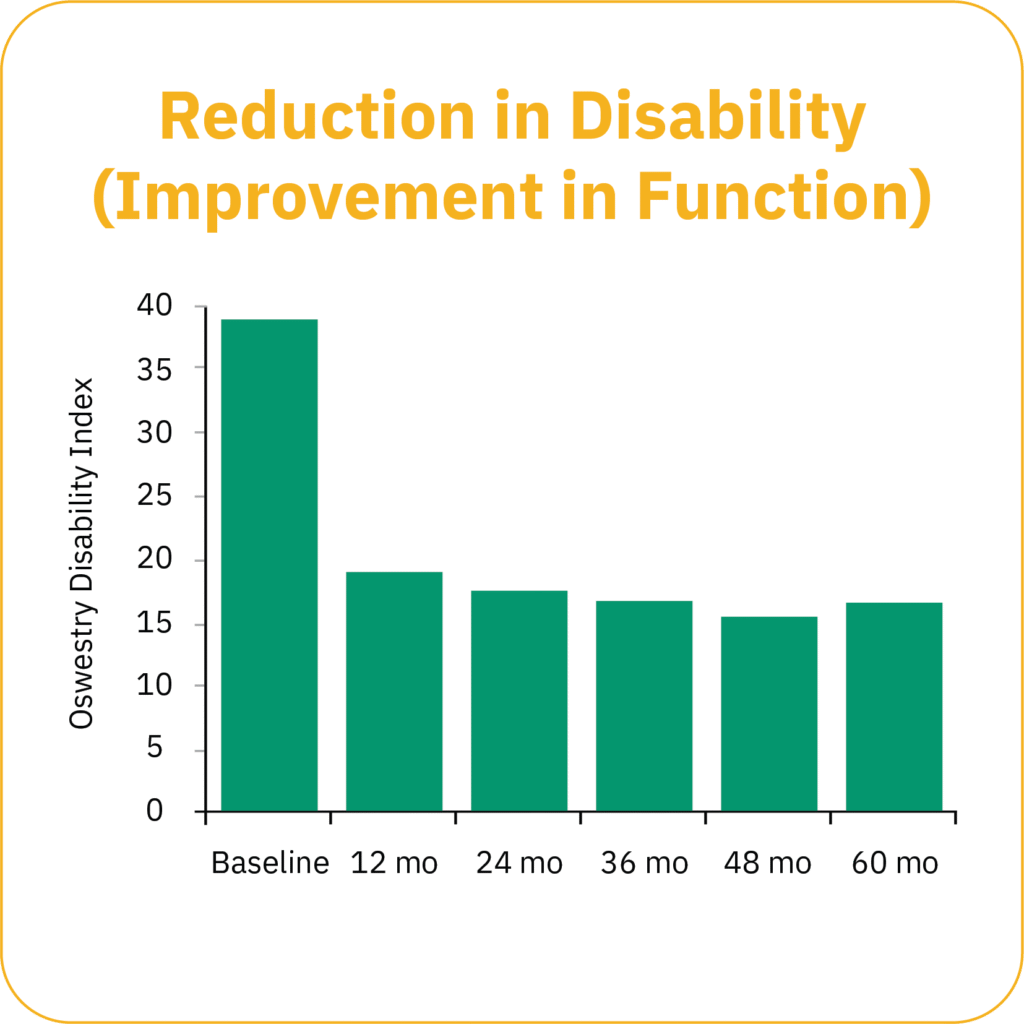
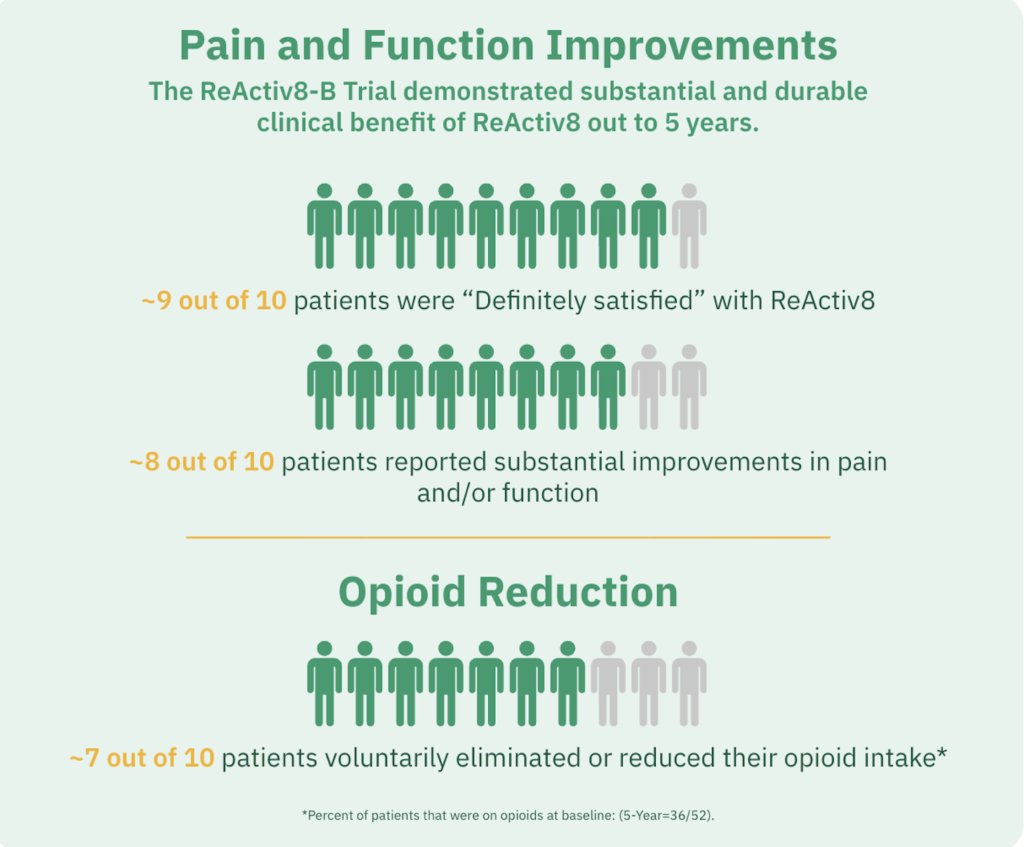
Most patients using ReActiv8 experience steady, long-term improvements in both pain and function. This has been demonstrated in 5 separate clinical studies, with 567 patients, and over 1,800 years of patient follow-up.
The recent RESTORE clinical study compared patients using ReActiv8 to those receiving other standard treatments known as “optimal medical management” for their chronic low back pain. At one year, the results showed that ReActiv8 made a real difference for patients:
Decision to receive ReActiv8 & preparation for procedure
While patients will typically be able to feel where the Implantable Pulse Generator (IPG or battery) is located with their hands, after 60-90 days, the body will heal around the IPG battery to the point where it is less perceptible. The patient may be able to see the location of the incisions, but won’t typically be able to see the IPG outline through their skin (when standing naturally) or over clothing.
While everyone’s body is a little different, the nerve that is stimulated by the ReActiv8 leads is located in the same place in almost everyone. Your doctor will use x-ray images of your spine to obtain the best position of the leads to stimulate the nerve. The IPG (device battery) is generally implanted deep under the skin in the upper part of the buttock, below the belt line and above the seat line, or in the flank between the hips and the ribs, to make it as comfortable as possible. You should discuss the location of the IPG with your doctor before surgery.

Post-implantation process & how to use ReActiv8
After the implant procedure, you will have two incision sites, one central on the back about 1-2 inches in length and another at the location of the battery about 2 inches in length. The incisions will be closed using sutures with either glue, steri-strips, or a plastic incision closing device, then covered with a gauze dressing. For more information on recovery instructions, please refer to the user manual.
Your doctor will give you instructions to follow after your procedure. Generally, these include the following:
For the first 4-6 weeks after your implant, keep your activities light to moderate. Gentle exercises like walking or swimming are okay. Check with your doctor to see what exercises are best for you.
For the first 4-6 weeks, avoid lifting weights heavier than 10 pounds (e.g. a gallon of milk).
Talk to your doctor about how to reduce any pain around the implant area, as it shouldn’t last more than a few weeks. Mild discomfort or feeling awkward about the implant area usually goes away in 60-90 days.
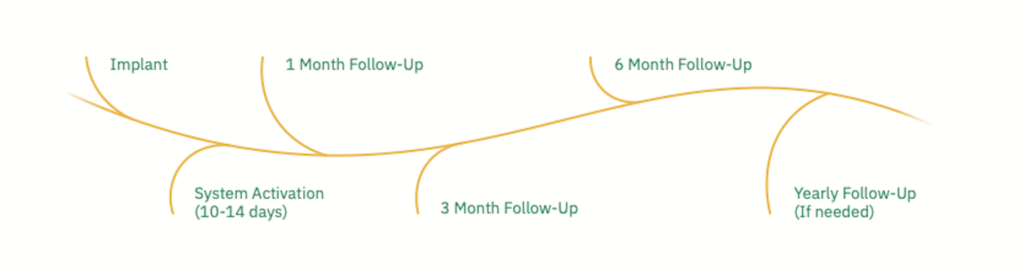
Your wound will be checked 10-14 days after surgery, and your stitches will probably be removed. At this follow-up, your system will be activated, and you’ll learn how to use it and run therapy sessions. It’s important to avoid strenuous activities for the first 4-6 weeks to let the system heal properly.
You will need someone to drive you home on the day of your implant, but you should be able to take care of yourself once the anesthesia wears off.

The ReActiv8 device will not be turned on until the activation follow-up visit, about 10-14 days after surgery. At this visit, the device will be programmed to fit your therapy needs. You’ll start therapy by doing two 30-minute sessions each day, usually once in the morning before getting out of bed and once in the evening when going to sleep or watching TV.
You will use a hand-held remote control (called an Activator) to start and stop your twice-daily therapy sessions.
Most patients say the sessions feel like a pleasant series of deep muscle contractions, or flexes in the lower back, similar to flexing a muscle in your arm or leg. The system is designed to be comfortable, making the daily therapy sessions easy and even enjoyable.
Use your device twice a day for 30 minutes each. The device has a timer and won’t let you use it for more than 60 minutes a day.
Lying on your stomach is best because it puts the least pressure on the leads. However, the main goal is to use the device as much as possible in the first year for the best results. If lying on your back works better for you, talk to your ReActiv8 representative about adjusting the device settings to your preferred position to get the most out of your therapy.
It’s best to do the sessions while lying down so your muscles can fully relax. Some recliner chairs or other positions might be okay if your muscles can stay fully relaxed for the whole session.
Changing positions might change the distance between your leads and the nerves, which can slightly increase or decrease the stimulation and feel different. Talk to your ReActiv8 representative about the best position to be in when using ReActiv8.
It is important to perform as many of your prescribed sessions as you can in the first 6-9 months of therapy, however missing a session periodically will not alter your outcomes as long as you are completing the majority of your sessions.
After you perform each therapy session, the ReActiv8 system will enter a lockout period in order to allow your muscles to rest and prevent overuse of stimulation. The system locks out for 2 hours after the first 30-minute session, and for the rest of the day after the second session.
Yes, sometimes one side requires more energy output to correctly stimulate the nerve, and it takes longer to comfortably ramp this energy up to the programmed level. This can end up taking a second or so longer than the other side and therefore feel different.
Talk to your ReActiv8 Representative about the best position for your therapy sessions. Doing sessions on your stomach or back can make the stimulation feel stronger or more even. If you need to do sessions on your side, your system can be adjusted to provide equal stimulation in that position.
You cannot pause a session. You can stop a session and start a new one later. The new session will run for a full 30 minutes unless you stop it manually. But keep in mind, if you stopped the session early, you cannot start a new session for a while. The system locks out for 2 hours after the first 30 min session of the day, and for the rest of the day after the second session.
Use a soft cloth lightly dampened with warm water.
The ReActiv8 system’s battery is tested to last at least 5 years with regular use (two 30-minute sessions per day). However, it often lasts much longer. If the battery ever needs to be replaced, you will need a minor and fast surgical procedure to open the incision and replace the device. It can be done easily without changing the implanted leads.
No, the battery does not need to be charged.
Therapy compliance & setting expectations for programming, follow-ups, and outcomes
The ReActiv8 follow-up schedule is personalized to fit your body’s needs as it starts to regain control over the muscles supporting your spine. These follow-ups help track your progress and celebrate improvements in function and pain reduction. After the activation appointment, you’ll have follow-ups at 1, 3, and 6 months (or as needed) to adjust your therapy as your body heals and your spine becomes more stable.
Most patients start to feel better and more confident in their activities between 6 and 16 weeks, but it can take longer for some. They usually notice their back pain decreasing soon after they feel an improvement in function. Clinical trials show that these improvements in function and pain continue to improve over time and are long lasting.
To get the most benefit, patients should do two therapy sessions a day for the first 12 months or until they see improvement. Once they feel better, most patients adjust their therapy to fit their needs and lifestyle.
Some patients enjoy their daily therapy sessions long-term, while most use the system as needed. A few patients have even had their system removed after a few years because they felt fully recovered.
Physical therapy may also be recommended along with ReActiv8.
Quality of life has been measured in multiple studies and shows dramatic improvements out to 5 years.
Patients’ results from real-world studies followed over 5 years match the results found in controlled clinical studies.

The procedure is entirely reversible and the device can be surgically removed by your doctor.
A small number of patients have chosen to remove their device after a few years because their symptoms improved. But most patients keep their device implanted, so it can be used in the future if needed.
It’s best to ask your doctor before getting chiropractic manipulation or a deep tissue massage if you have a ReActiv8 device. These treatments could potentially damage the device or move a lead, which might require more surgery to fix. Generally, it’s advised to avoid any new or strenuous activities for 3 months after receiving ReActiv8 to ensure proper results.
ReActiv8 doesn’t change your body’s structure, so you can still have surgeries in the future. However, for some surgeries, you might need to remove the ReActiv8 device. Always check with your doctor for specific advice.
Yes, you can go through metal detectors or airport security with a ReActiv8 device. Just don’t stay inside the detector for too long or touch the sides. Let the security staff know you have a “pacemaker for pain” and show them your ReActiv8 ID card. You can also ask for a hand search, and if they use a hand-held wand, request that they don’t hold it near your device for too long.
You can use a hot tub once your incisions are fully healed. Your doctor will tell you when it’s ok.
If you have other implantable devices, such as a pacemaker, there is a risk that they may malfunction. Talk with your doctor about possible interactions with other implantable devices or therapies. You cannot have diathermy treatment, a medical treatment applied to the outside of the body that uses shortwave, microwave, or ultrasound energy. It may harm you.
Wait 4-6 weeks before doing any heavy lifting or strenuous activities to let your implanted system heal properly. After that, avoid activities that put too much stress on your device, like jiu jitsu or rowing. Always check with your doctor for specific advice.
We don’t know how ReActiv8 therapy affects pregnancy (including effects on a fetus or during childbirth). So, we’ll turn off the device during your pregnancy and turn it back on afterwards.
It is best to take your activator with you when traveling to keep up with your therapy. Small breaks in therapy won’t affect the long-term results. Just remember, the system doesn’t adjust for time zones, so your sessions might shift. Talk to a ReActiv8 representative to understand how your sessions could be affected.
Yes, but the device shouldn’t go deeper than 5 meters (16 feet) underwater. Always check with your doctor for specific advice.
ReActiv8 is made from materials with no to very low metal allergen content and is resistant to corrosion that could release these allergens. Only rare, extremely sensitive allergies may respond to these alloys. If needed, your doctor can perform an in depth allergy test before you are implanted.
Electrical and/or electronic equipment emits energy when it is powered “ON”. This energy is referred to as electromagnetic energy or EMI. Electromagnetic energy may be generated by equipment found in the home, work, medical or public environments. In some cases, this energy may cause interference with other electrical or electronic equipment. The ReActiv8 device is protected from most electromagnetic interference, but some equipment like transformers and electric welders can still affect it if you’re too close. If interference is suspected, move away or turn off the household item. If you have any questions, contact your doctor.
Safety has not been established specifically with cryotherapy or infrared light therapy with vibration. Generally, these types of therapies are permitted, but note the following:
The development of ReActiv8 started in 2008, and clinical trials began in 2014. Since then, more than 4,000 patients have been implanted worldwide and, 5 clinical studies have been conducted across Australia, the United States, United Kingdom and Europe with a total of 567 patients. Two of these studies followed patients for 5-9 years. All of these clinical studies found that most patients have improvement in pain, functional ability, quality of life and other significant benefits from the therapy.
To learn more about the clinical studies surrounding the pathology and therapy, visit www.mainstaymedical. com/clinical.
Yes, the ReActiv8 Patient Ambassador Program helps you get connected with a real ReActiv8 patient. You can ask personal questions and get information from someone who has been through the ReActiv8 journey. You can see what the therapy experience and process is really like and get advice and tips for recovery. You can sign up to talk to another patient by visiting https://patientpartner.com/mentor-match/reactiv8.
The ReActiv8-B Trial demonstrated a strong safety profile for the ReActiv8 system (particularly when compared to spinal cord stimulator devices). Among the 204 randomized patients, 8 serious adverse events (SAEs) related to the device/procedure were reported (4% of all events) within the first 4 months after implant. There were no unanticipated SAEs related to the device/procedure, and notably no instances of lead migration. A total of 56% of study participants experienced at least one device or procedure related adverse event over 5 years of follow-up. Of all related adverse events, 90% were resolved at the time of study completion. For more information on safety, efficacy, and risk, see https://mainstaymedical.com/safety/ https://www.accessdata.fda.gov/cdrh_docs/pdf19/P190021B.pdf
The ReActiv8 System is an implantable neurostimulation system that employs a rehabilitative therapy designed to restore muscle control of the lumbar spine for improved low back pain management. More specifically, ReActiv8 is indicated for bilateral stimulation of the L2 medial branch of the dorsal ramus as it crosses the transverse process at L3 as an aid in the management of intractable chronic low back pain associated with multifidus muscle dysfunction, as evidenced by imaging or physiological testing in adults who (i) have failed therapy including pain medications and physical therapy and (ii) are not candidates for spine surgery. ReActiv8 is a prescription device implanted by certified physicians in an outpatient setting. Patients should talk to their health care provider to discuss whether ReActiv8 is right for them. For important safety and product information, see https://www.mainstaymedical.com/safety
“The ReActiv8-B Trial demonstrated a strong safety profile for the ReActiv8 system (particularly when compared to spinal cord stimulator devices). Among the 204 randomized patients, 8 serious adverse events (SAEs) related to the device/procedure were reported (4% of all events) within the first 4 months after implant. There were no unanticipated SAEs related to the device/procedure, and notably no instances of lead migration. A total of 56% of study participants experienced at least one device or procedure related adverse event over 5 years of follow-up. Of all related adverse events, 90% were resolved at the time of study completion. For more information on safety, efficacy, and risk, see https://mainstaymedical.com/safety. and https://www.accessdata.fda,gov.
The ReActiv8 System is an implantable neurostimulation system that employs a rehabilitative therapy designed to restore muscle control of the lumbar spine for improved low back pain management. More specifically, ReActiv8 is indicated for bilateral stimulation of the L2 medial branch of the dorsal ramus as it crosses the transverse process at L3 as an aid in the management of intractable chronic low back pain associated with multifidus muscle dysfunction, as evidenced by imaging or physiological testing in adults who (i) have failed therapy including pain medications and physical therapy and (ii) are not candidates for spine surgery. ReActiv8 is a prescription device implanted by certified physicians in an outpatient setting. Patients should talk to their health care provider to discuss whether ReActiv8 is right for them. For important safety and product information, see https://mainstaymedical.com/safety/
Take the first step to see if ReActiv8 is right for you. Contact us to learn more.
Part number 620098 Rev. D